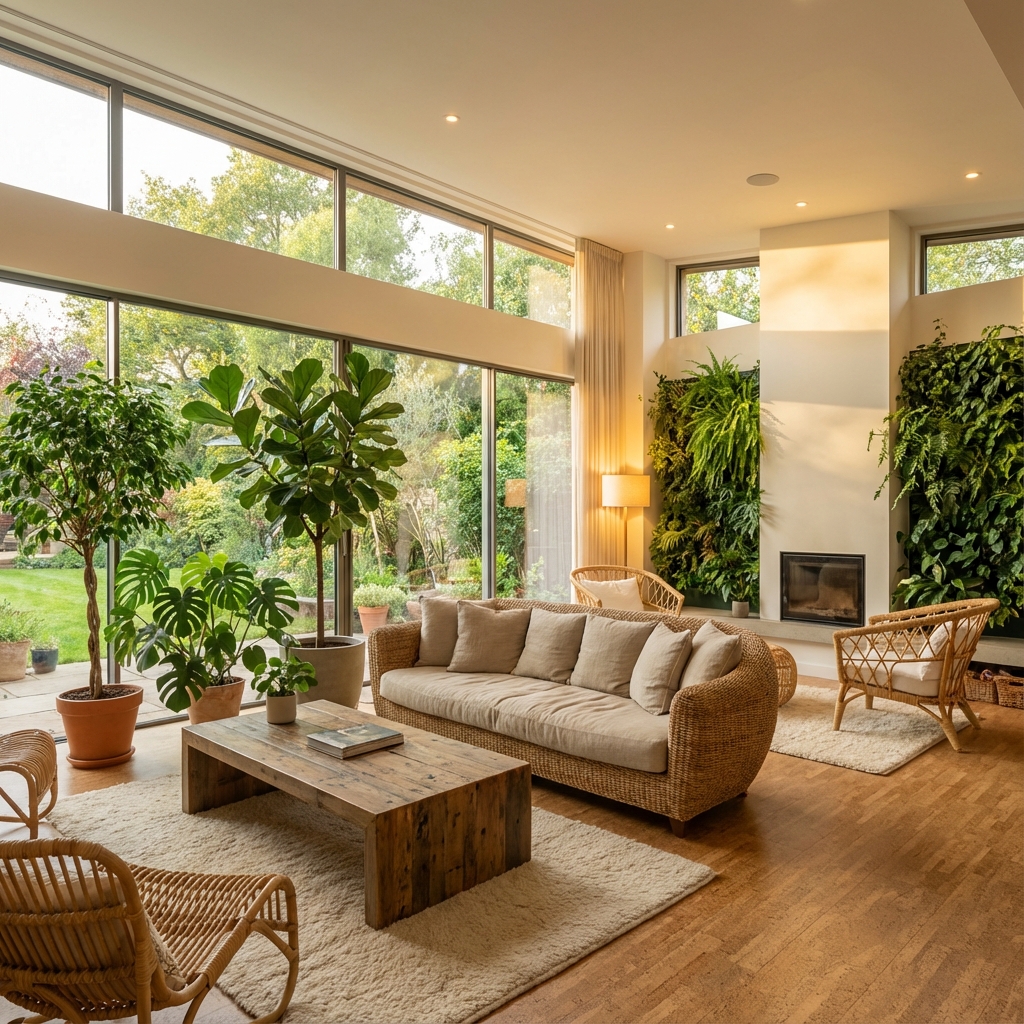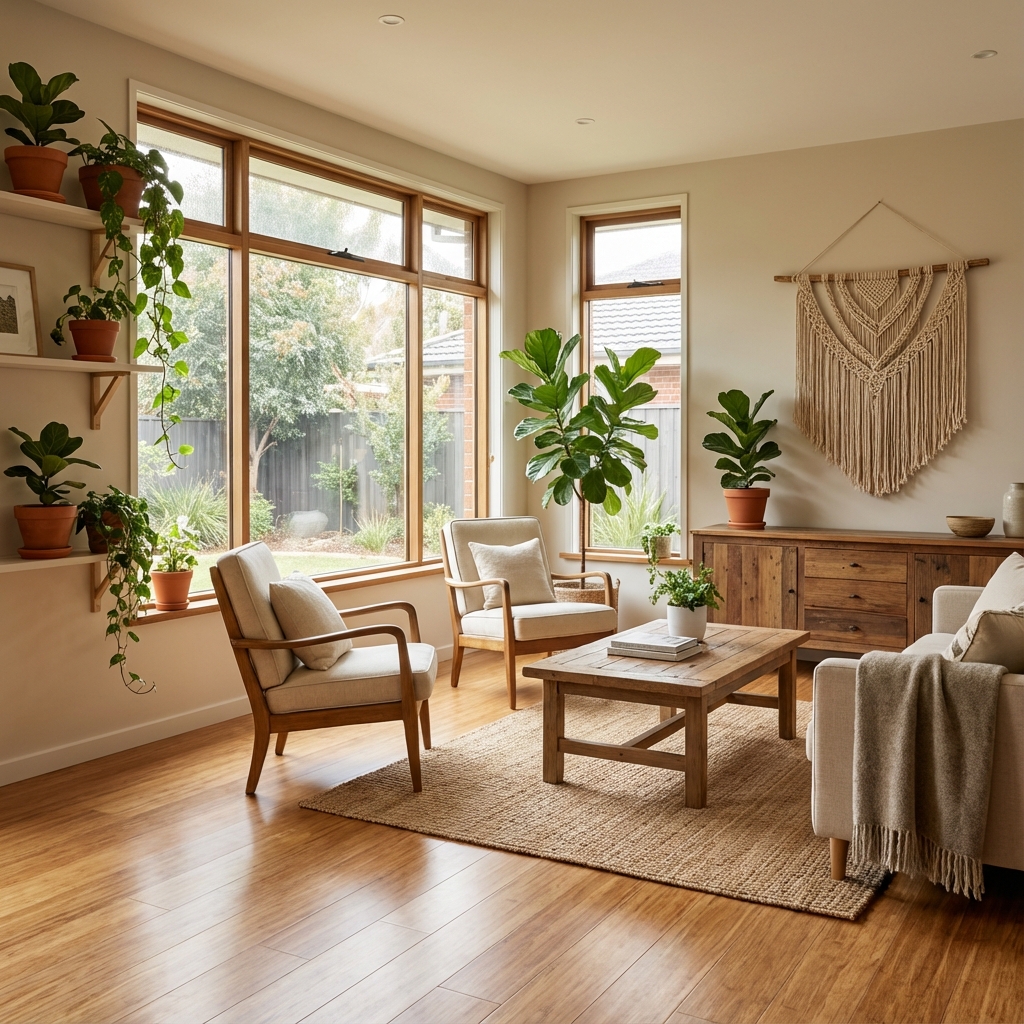
"Learn how to design beautiful spaces that are kind to the planet. Explore sustainable materials, energy-efficient solutions, and green design principles."
Why Sustainable Design Matters
Interior design significantly impacts environmental health. From manufacturing to disposal, our choices affect carbon footprints, waste production, and resource consumption. Sustainable design creates beautiful spaces while minimizing ecological impact.
Core Principles of Green Design
1. Reduce, Reuse, Recycle
Before buying new, consider:
- Refurbishing existing furniture
- Shopping vintage and antique markets
- Repurposing items creatively
- Choosing quality pieces that last decades
2. Sustainable Materials
Wood: Choose FSC-certified lumber from responsibly managed forests. Reclaimed wood offers character while preventing new trees from being cut.
Textiles: Organic cotton, linen, hemp, and wool avoid pesticides and harmful chemicals. Look for GOTS (Global Organic Textile Standard) certification.
Flooring: Bamboo, cork, and reclaimed hardwood offer sustainability. Avoid vinyl when possible, or choose phthalate-free options.
Paint: Low-VOC and zero-VOC paints improve indoor air quality while reducing environmental toxins.
Energy Efficiency
Natural Light Optimization
Maximize daylight through:
- Strategic window placement
- Light-reflecting paint colors
- Sheer curtains that filter while transmitting light
- Removing unnecessary barriers to windows
LED Lighting
LED bulbs use 75% less energy than incandescent and last 25 times longer. Smart lighting systems further reduce consumption by adjusting based on occupancy and daylight levels.
Insulation & Temperature Control
Proper insulation, weatherstripping, and energy-efficient windows reduce heating and cooling needs. Thermal curtains provide additional temperature regulation.
Water Conservation
- Low-flow faucets and showerheads
- Dual-flush toilets
- Greywater systems for irrigation
- Drought-resistant indoor plants
Indoor Air Quality
Natural Ventilation
Design for cross-ventilation with operable windows. Ceiling fans reduce AC dependence while improving air circulation.
Air-Purifying Plants
NASA studies identified plants that filter indoor pollutants:
- Snake plants (remove formaldehyde)
- Peace lilies (filter benzene and trichloroethylene)
- Spider plants (absorb carbon monoxide)
- Pothos (removes VOCs)
Natural Materials
Avoid formaldehyde-containing pressed wood, synthetic carpets, and plastic furniture that off-gas chemicals.
Circular Design
Consider the entire lifecycle:
- Choose products designed for disassembly and recycling
- Support companies with take-back programs
- Select timeless designs that won't quickly date
- Invest in quality over quantity
Local & Ethical Sourcing
Support local artisans and manufacturers to reduce transportation emissions. Verify fair labor practices and ethical production methods.
Certifications to Look For
- LEED: Leadership in Energy and Environmental Design
- Energy Star: Energy-efficient appliances
- Cradle to Cradle: Sustainable product design
- GreenGuard: Low chemical emissions
- FSC: Responsibly sourced wood
Making Sustainable Choices Accessible
Sustainable design doesn't require unlimited budgets. Small changes create meaningful impact:
- Switch to LED bulbs (immediate savings)
- Add weatherstripping (reduces energy costs)
- Shop secondhand (saves money and resources)
- Choose natural cleaning products
- Install programmable thermostats
Our Commitment
At MA Interior Design, sustainability guides every project. We source responsibly, prioritize longevity, and educate clients on maintaining eco-friendly spaces. Beautiful design and environmental stewardship aren't mutually exclusive—they're inseparable.